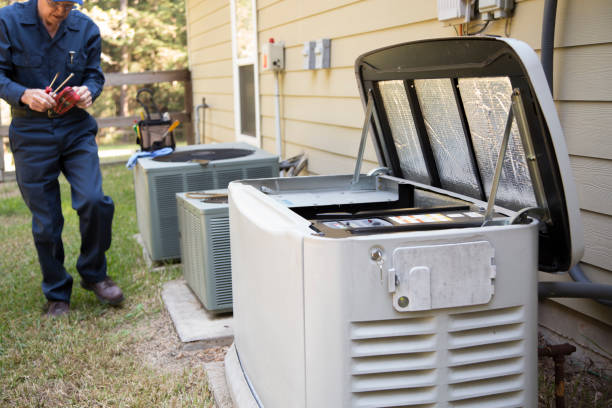
Planning a Reliable Residential and Light Commercial Plumbing Pathway
Homeowners face a mix of practical and regulatory questions when scoping plumbing and comfort work. The smartest first step is to assess the full system, not just the immediate symptom. A dripping faucet might hint at pressure issues, aging shutoffs, or line corrosion. Likewise, a slow drain can reveal venting troubles or partial obstructions downstream. A holistic review reduces surprises and helps align expectations, budgets, and timelines before tools even come out.
Beyond that, define clear objectives and stage tasks in logical phases. Emergency fixes get priority, but preventive measures can often tag along with minimal extra disruption. For example, replacing aging supply lines while repairing a valve saves a future visit and labor. When you sequence work to minimize rework, you protect finishes, shorten downtime, and create cleaner handoffs between Plumbing, Drains and Sewers, and HVAC-related needs.
Meanwhile, material choices drive long-term reliability. Copper, PEX, and PVC each have use cases based on temperature, pressure, and code allowances. Select fixtures and valves that match water quality and expected demand. Higher-efficiency water heaters or recirculation strategies can trim wait times and reduce waste. Documenting part numbers and installation dates gives you a maintenance roadmap and simplifies warranty discussions years later.
However, compliance is the backbone of every project. Local codes govern vent sizing, trap placement, cleanout access, and gas line routing. Permitting may seem tedious, but verified inspections validate safety and protect property value. When planning Heating and Air Conditioning tie-ins, verify combustion air, condensate management, and clearance requirements. Proper vent terminations and backflow prevention offer quiet insurance against moisture damage and cross-connection hazards.
In practice, water quality often dictates service intervals and component selection. Hard water accelerates scale buildup in water heaters, mixing valves, and aerators. Testing lets you calibrate filtration or softening if appropriate, and it also informs fixture maintenance. With gas-fired appliances, schedule annual checks to validate combustion performance and venting integrity. These routine steps buffer your system against small issues that can otherwise mushroom into urgent calls.
Often, drain health determines daily convenience. Slow fixtures, gurgling sounds, or recurring clogs suggest venting constraints or deeper blockages. A thoughtful approach pairs mechanical clearing with visual verification where feasible. Access points should remain serviceable after finishes go back. If tree roots or aging lines are suspected, discuss targeted spot repairs versus broader rehabilitation, weighing lifecycle costs against piecemeal fixes that might not hold up.
Then, consider household patterns that stress the system. Adding bathrooms, installing larger appliances, or finishing a basement changes flow and waste loads. Sizing supply lines, traps, and vents accordingly keeps everything humming. Smart controls for recirculation or leak detection can be integrated during upgrades. Even small touches—like correctly placed shutoffs and labeled panels—simplify future service and shorten response times when the unexpected happens.
Beyond immediate function, plan for access, noise, and cleanliness. Staging protects flooring and contents, and clearly marked work zones reduce disruption. Crews should validate shutoffs before opening lines and maintain negative pressure where dust could travel. After rough-in and before closing walls, photograph runs and label key junctions. This quiet documentation becomes priceless when you need to locate a cleanout or trace a line years down the road.
Finally, budgeting benefits from transparency and buffers. Seek itemized scopes that separate labor, materials, permits, and contingencies. Ask for options where different materials or routing can lower cost without sacrificing code compliance. A modest reserve covers hidden conditions—like brittle fittings or undersized vents—revealed once walls open. With a right-sized plan, you can refine choices as work progresses, avoiding rushed decisions under deadline pressure.
Altogether, a well-orchestrated plumbing and comfort strategy blends careful assessment, validated design, clean execution, and steady maintenance. Whether you’re refreshing fixtures, addressing drain performance, or integrating comfort upgrades, align goals early and verify each step. The result is a safer, quieter, more efficient home that’s easier to service over time, with systems documented and ready for the next chapter in your property’s lifecycle.